Posted on: April 14th, 2026
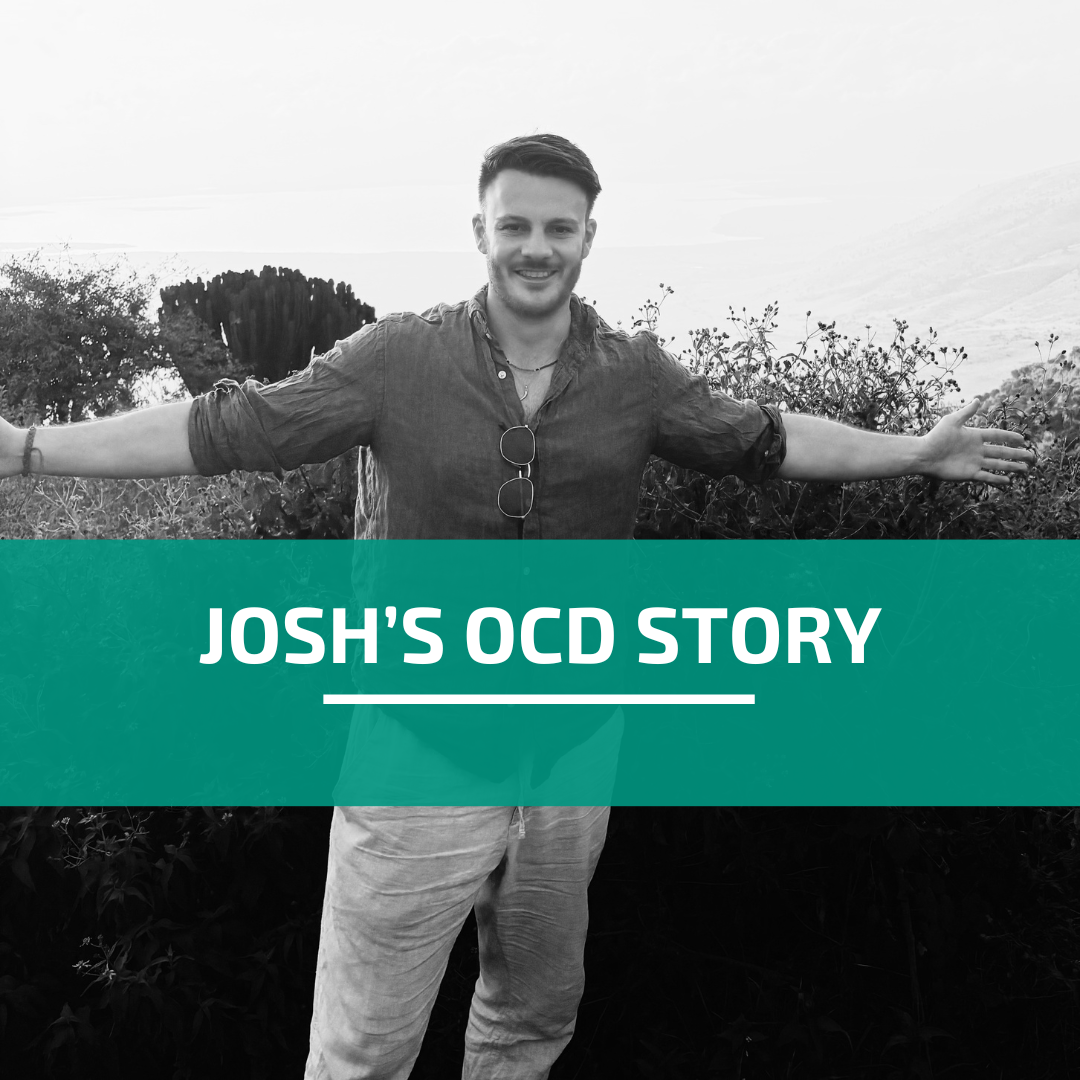

In this week’s blog, Josh shares his OCD story:
Did I leave the tap on? I did check it before I left, but what if I made a mistake? What if it’s still running and flooding the kitchen? I listen closely from my bed…nothing I can hear. It must be off. But I should make sure. Electricity builds up in my legs. The urge is too much, like an orchestra reaching a crescendo. I won’t be able to sleep if I don’t check. I spring out of bed and make my way into the kitchen. Of course, it has been off all along. The frightening images of a flood of my doing fade away instantaneously. I still feel nervous energy in my body. But what if something else is on… I need to check again.
This was my daily routine, night after night. Constantly checking taps, hobs and doors unlocked. I knew something was off about being this careful, and I was spiralling into a loop, becoming more entrenched with each compulsion. Ordinary tasks such as leaving my flat gradually over the years became gargantuan with multiple increasing mental checklists, having to video/take photos of each household hazard and extra concluding last-minute rechecks. Logically, I knew everything was switched off and safe, but everything boiled down to my OCD was never truly satisfied without absolute certainty. The anxiety I felt was not solely mental. It manifested itself physically and was exhausting, causing my heart to race and a constant buzzing, nervous energy, which eased only briefly with my submission to the checking loops.
Over time, I discovered ways to respond differently to these urges. Seeking support from my family and a therapist specialising in OCD allowed me the support system to lay the foundations for recovery. Practice with mindfulness taught me to notice thoughts without immediately acting on them, which made them feel less ‘sticky’. Daily meditation allowed me precious moments without rumination and practice letting go of control of my thoughts.
Eventually, by fully immersing myself in challenging experiences and experimenting with different approaches, I was able to break the loops that once felt impossible to escape. Combining reflection, guided interventions, and deliberate exposure to triggers with ERP helped me reclaim control over my daily life.
In daily life, I’m still confronted with occasional intrusive thoughts, but I’ve learned to notice the urge to check without feeling compelled by it, which took lots of practice. That I have a choice in what to believe, and that I can live with some uncertainty. That the catastrophes my OCD imagines never actually happen, despite how real the consequences seem.
These insights did not make OCD disappear overnight, but they have strengthened my ability to trust myself. They have reminded me of the control I have of my body and actions, regardless of intrusive thoughts.